- Strength-based approach
- Practical next steps
- Alabama-based counselor
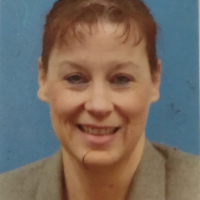
About Carol
She earned a Bachelor’s degree in Psychology and Criminal Justice, and a Master of Education in Counseling and Guidance from the University of Montevallo. She later completed a Doctor of Education at Nova Southeastern University. Her credential is LPC, which she uses in practice across Alabama.
In sessions she focuses on what a person can change now. She often uses motivational interviewing to identify strengths and to find realistic next steps. She combines this with client-centered work that follows the person’s pace and priorities.
Her experience covers a wide range of concerns, including addictions, trauma and abuse, depression, grief, eating issues, parenting stresses, anger, self-esteem, and challenges related to career or life changes. She has worked with children, adolescents, adults, and geriatric clients in many settings over the years.
People meet her for help with specific problems such as ADHD, bipolar and mood disorders, or relationship strain. She also supports those facing personality-related difficulties, self-harm risk, and substance use challenges. Her approach is steady, practical, and focused on small, achievable steps.
Areas of expertise
Primary focus
Also works with
Additional focus areas
Therapeutic approaches
Experience
30+ years
Credentials
Alabama
Languages
English
How her approaches translate to online work
Client-Centered Therapy focuses on listening and following the person’s lead. The therapist prioritizes the client’s goals, pace, and preferences while offering support and reflection. Cognitive Behavioral Therapy, or CBT, looks at patterns of thought and behavior and uses simple, practical exercises to shift unhelpful habits and reduce anxiety and stress. Motivational Interviewing aims to draw out a person’s own reasons for change and to build on existing strengths to move forward.Choosing the right approach is a collaborative process. The therapist and client will talk about goals and try methods that fit the client’s needs. If something isn’t working, they adjust plans together so progress feels realistic and manageable.
Session formats are not listed in the biography, so confirm current options before booking. Online work can make it easier to fit therapy into a busy life - it can shorten travel time, allow sessions during workday breaks, and make weekly check-ins more feasible. Phone or video choices may help when someone prefers not to be on camera or needs a quicker, lower-bandwidth check-in. Licensed professionals can adapt tools and exercises from these approaches to work in remote sessions.
Frequently asked questions
What kinds of concerns does she help with?
She works with stress and anxiety and a broad range of related concerns, including addictions, trauma and abuse, depression, grief, eating issues, parenting strain, anger, self-esteem, and career or life changes.
What is her therapeutic style like?
Her style is client-centered and collaborative. She uses motivational interviewing to build on strengths and help clients decide practical next steps.
How much experience does she bring?
She has 30 years of clinical experience working in a variety of settings with children, adolescents, adults, and geriatric clients.
What credentials and region are associated with this therapist?
She holds the LPC credential and practices in Alabama.
Which languages are sessions offered in?
Sessions are offered in English.
Can international clients work with this therapist?
International clients are not currently accepted.
How are costs and payment handled?
Costs vary with location and therapist availability; sessions use a subscription that can be canceled at any time.
How do I begin working with this therapist?
Select the Start Therapy button, complete a short matching questionnaire, and schedule according to therapist availability.