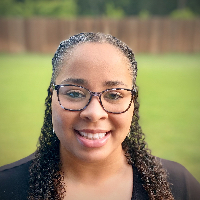
- Warm interactive style
- Practical coping tools
- Values-based work
About April
April has 12 years of counseling experience and a longer background in social work. She has supported people facing chronic and terminal illness, caregiving strain, postpartum depression, and challenges like smoking or vaping cessation. Those experiences inform how she listens and shapes treatment plans.
Her approach blends several methods to meet individual needs. She uses elements of cognitive behavioral therapy to identify unhelpful thinking patterns. She draws on acceptance and commitment therapy and mindfulness to help people notice thoughts and act on personal values.
Sessions are collaborative and tailored. April works with each person to set clear goals and practical steps that feel manageable. She emphasizes compassion and sensitivity while encouraging small, sustainable changes.
People who choose April often want straightforward tools, steady support through difficult life events, and help balancing caregiving or health stress with everyday life. If a reader is considering therapy for stress, anxiety, grief, or related concerns, April offers a calm, experienced presence to help navigate those challenges.
Areas of expertise
Also works with
Additional focus areas
Therapeutic approaches
Experience
12+ years
Credentials
Texas
Languages
English
How April’s approaches translate to online work
April uses cognitive behavioral therapy, acceptance and commitment therapy, and elements of client-centered care in her work. Cognitive behavioral therapy helps people spot unhelpful thoughts and try different behaviors to test what works, which can ease anxiety and low mood. Acceptance and commitment therapy focuses on noticing thoughts and feelings without getting stuck and taking actions that match personal values. Client-centered therapy emphasizes listening, empathy, and adapting the pace and goals to each person.Finding the right approach is part of the process. April will work together with clients to choose and adjust methods based on needs, goals, and preferences. That collaborative process helps decide which tools to emphasize and how to shape sessions so they feel useful.
Confirm the current session options before booking since formats are not specified here. Online sessions can make it easier to fit therapy into a busy life by reducing travel time, allowing shorter check-ins when needed, or offering an option that doesn't require video. Licensed professionals can use these advantages to help clients practice coping skills between sessions and to address stress, anxiety, grief, and caregiving concerns in ways that fit everyday routines.
Frequently asked questions
What concerns does April commonly address?
She works with stress and anxiety along with grief, depression, life changes, relationship and family concerns, parenting stress, anger, and self-esteem issues.
How would you describe the therapy style?
The approach is warm and interactive. Sessions focus on practical steps, respectful listening, and tailoring plans to each person.
What is her professional background?
April has 12 years of counseling experience and additional years as a social worker, including work with chronic and terminal illness and caregiver stress.
What credentials does she hold and where is she based?
She is a licensed clinical social worker, LCSW, licensed in Texas and practices from that state.
Which languages are supported in sessions?
Sessions are offered in English.
Can people outside the U.S. work with her?
International clients are not currently accepted.
How are fees handled?
Cost varies with location and therapist availability; sessions use a subscription that can be canceled at any time.
What are the first steps to begin therapy?
Select the Start Therapy button, complete a short matching questionnaire, and then schedule according to therapist availability.